
04 Mar How to Enhance Your Home’s EPC Rating: Practical Steps for Improvement
As a homeowner, understanding your Energy Performance Certificate (EPC) rating is essential. A low EPC rating not only indicates that your home is less energy efficient but can also lead to higher energy bills and potential difficulties when selling your property. If you’re looking to enhance your EPC rating, this guide will provide you with actionable steps to improve your home’s energy efficiency.
Understanding EPC Ratings
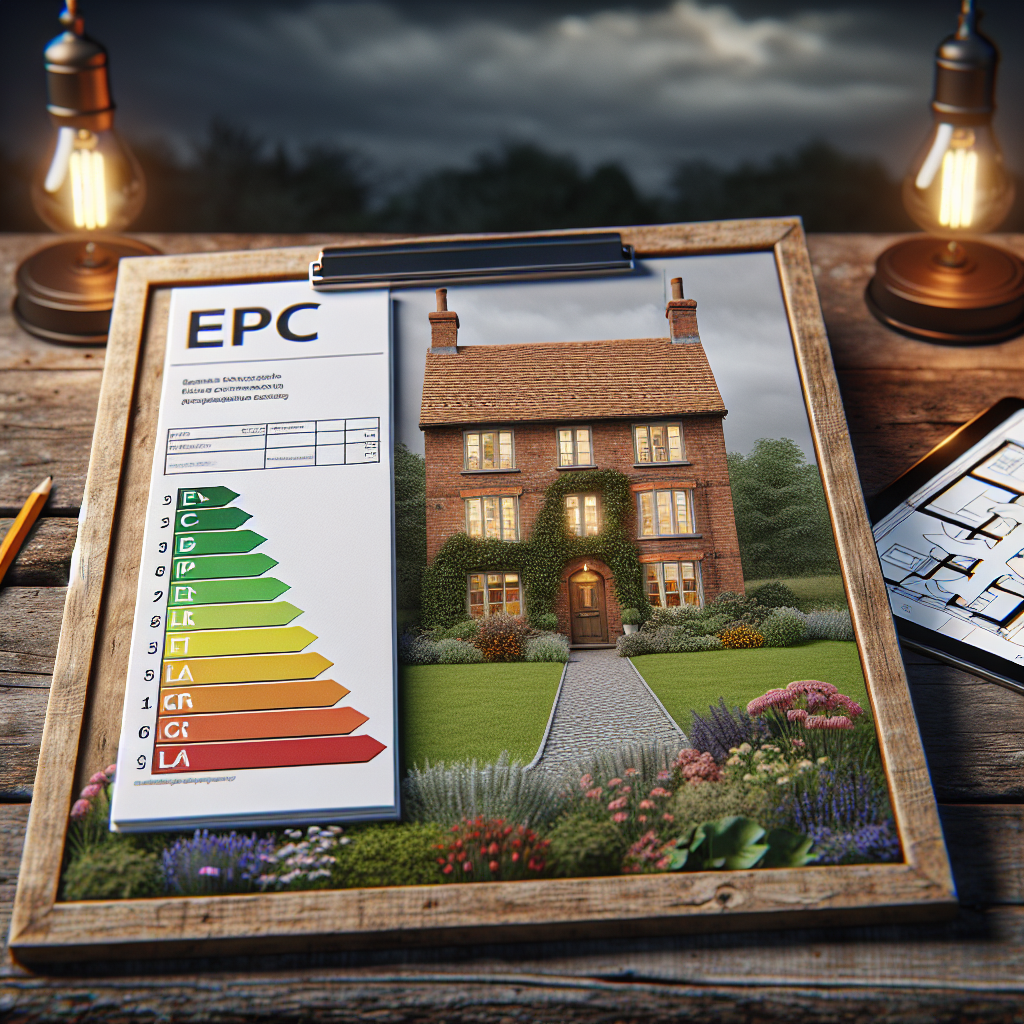
Before diving into improvement strategies, it’s important to grasp what an EPC rating entails. The ratings range from A (most efficient) to G (least efficient) and reflect how energy efficient your home is based on its features, such as insulation, heating systems, and overall energy consumption.
Why Improve Your EPC Rating?
Improving your EPC rating has several benefits:
- Lower Energy Bills: A more energy-efficient home translates to reduced energy costs.
- Increased Property Value: Homes with higher EPC ratings are more attractive to buyers.
- Compliance with Regulations: Certain regulations require minimum EPC ratings for rental properties.
- Environmental Impact: Enhancing your home’s efficiency contributes to reduced carbon emissions.
Practical Steps to Improve Your EPC Rating
Here are several effective strategies to boost your home’s EPC rating:
1. Upgrade Insulation
Why Insulation Matters: Proper insulation prevents heat loss, making your home warmer in winter and cooler in summer.
- Loft Insulation: Ensure your loft is insulated to a depth of at least 270mm.
- Wall Insulation: Consider cavity wall insulation or solid wall insulation if your home lacks sufficient wall insulation.
2. Improve Heating Efficiency
Invest in a Modern Boiler: Older boilers can be inefficient. Replacing yours with a modern, energy-efficient boiler can significantly improve your EPC rating.
- Smart Thermostat: Installing a smart thermostat allows you to control your heating more effectively, reducing energy waste.
- Regular Maintenance: Ensure your heating system is serviced regularly to maintain its efficiency.
3. Use Energy-Efficient Windows
Upgrade to Double or Triple Glazing: Replacing single-glazed windows with double or triple glazing can enhance thermal performance and reduce heat loss.
- Consider Secondary Glazing: If replacing windows is not feasible, secondary glazing can be a cost-effective alternative.
4. Switch to Energy-Efficient Lighting
LED Lighting: Replacing traditional bulbs with LED lights can reduce energy consumption significantly.
- Natural Light: Maximise natural light through strategic window placements and using lighter colours for walls to reflect light.
5. Implement Renewable Energy Solutions
Solar Panels: Installing solar panels not only reduces reliance on the grid but can also improve your EPC rating.
- Solar Water Heating: Consider solar water heating systems to supplement your hot water needs sustainably.
Checklist for Improving Your EPC Rating
- [ ] Assess current insulation levels in loft and walls.
- [ ] Evaluate your heating system for efficiency.
- [ ] Check window types and consider upgrades.
- [ ] Replace incandescent bulbs with LED lighting.
- [ ] Investigate renewable energy options for your home.
Common Mistakes to Avoid
- Ignoring Small Changes: Sometimes, minor adjustments, like sealing drafts, can have a significant impact.
- Neglecting Regular Maintenance: Regular checks on heating and insulation can prevent issues that lead to inefficiency.
- Overlooking EPC Recommendations: After an EPC assessment, take note of the improvement suggestions provided; they are tailored to your specific property.
What to Ask a Supplier
When considering improvements, asking the right questions can ensure you select the best options for your home:
- What is the expected return on investment for these upgrades?
- Are there any available grants or incentives for energy improvements?
- How long will the installation take, and what is the disruption level?
Moving Forward
Improving your EPC rating is a worthwhile investment that can pay off in multiple ways. By implementing the strategies outlined above, you can enhance your home’s energy efficiency, reduce costs, and increase its marketability.
If you need assistance with your EPC rating or require a professional assessment, visit our page on residential EPCs to learn more about how we can assist you in boosting your property’s energy efficiency.
Taking your EPC rating from a low score to a more favourable one is within your reach. With a commitment to making small, manageable changes, you can significantly improve your home’s energy performance.