
07 May The Influence of EPC Ratings on Property Value: What Homeowners and Investors Should Know
In today’s property market, understanding the factors that influence property value is crucial for homeowners and investors alike. One key element that has gained significant importance over recent years is the Energy Performance Certificate (EPC) rating. As the demand for energy-efficient homes continues to rise, the EPC rating can directly impact the value of a property. This blog post will delve into the various ways EPC ratings affect property values, providing valuable insights for those looking to buy, sell, or invest in real estate.
Understanding EPC Ratings
What is an EPC?
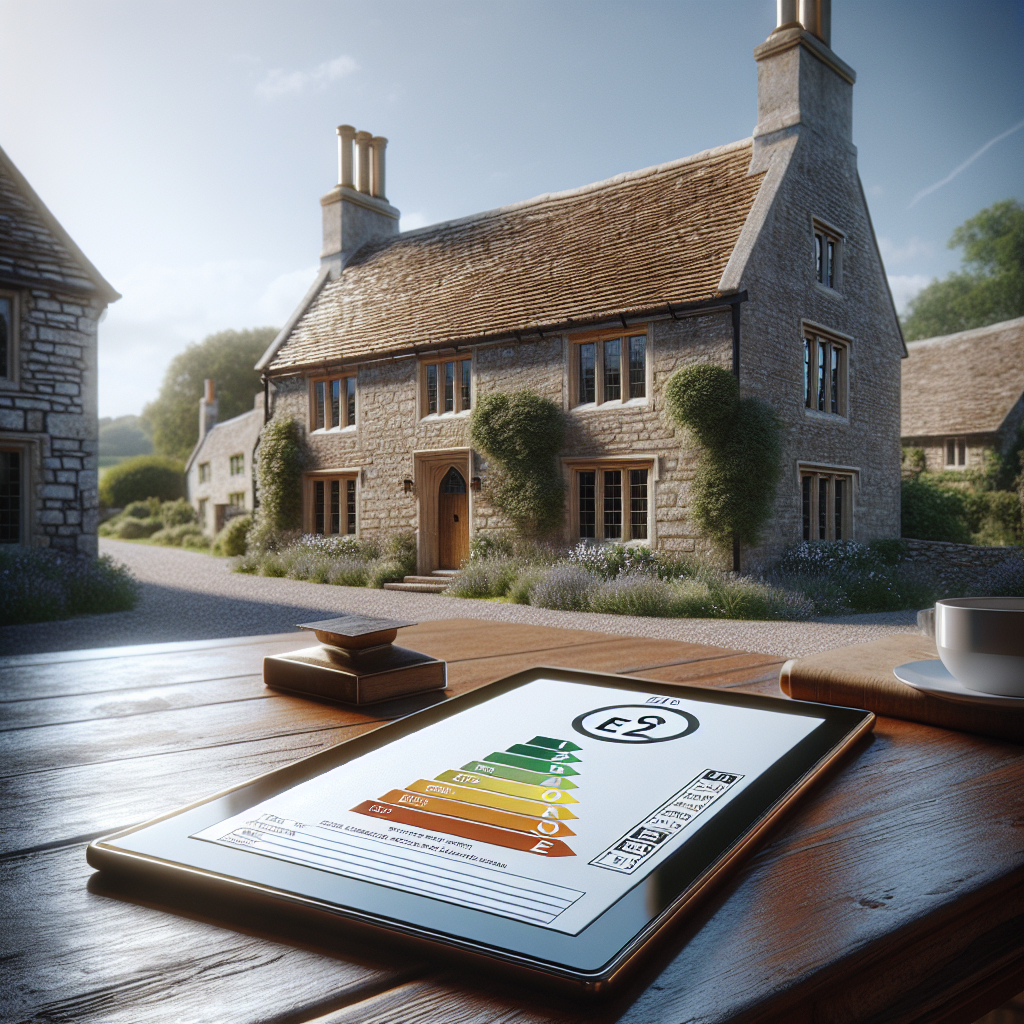
An Energy Performance Certificate (EPC) provides prospective buyers and tenants with an assessment of a property’s energy efficiency. Ratings range from A (most efficient) to G (least efficient) and are based on various factors, including insulation, heating systems, and energy consumption. An EPC is essential for anyone looking to sell or rent out a property, as it offers a clear picture of energy performance and potential energy costs.
Why EPC Ratings Matter
EPC ratings are not merely regulatory requirements; they serve as a critical indicator of a property’s energy efficiency, which can influence buyer interest and investment decisions. As energy prices continue to fluctuate and environmental concerns grow, properties with higher EPC ratings are becoming increasingly desirable.
The Direct Impact of EPC Ratings on Property Value
Increased Demand for Energy-Efficient Properties
Properties with higher EPC ratings tend to attract more interest from buyers and renters. Many potential occupants are now prioritising energy efficiency, viewing it as a long-term cost-saving measure. A home with an EPC rating of C or above is often seen as a more attractive option, potentially leading to higher offers and quicker sales.
Cost Implications
Properties with lower EPC ratings may face higher running costs due to inefficient energy usage. This can deter prospective buyers, especially those who are conscious of their ongoing expenses. Consequently, homes with poor EPC ratings may need to lower their asking price to attract buyers, effectively reducing their market value.
Future-Proofing Property Investments
With the UK government’s commitment to achieving net-zero carbon emissions by 2050, properties with lower EPC ratings may face restrictions in the future, impacting their marketability. Investors and homeowners should consider the long-term implications of EPC ratings on property value. Investing in energy-efficient upgrades now can not only improve a property’s EPC rating but also enhance its value over time.
How to Improve Your EPC Rating
Consider Upgrades
Investing in energy-efficient improvements can significantly enhance your property’s EPC rating. Here are some practical steps you can take:
- Insulation: Improve loft and wall insulation to reduce heat loss.
- Heating Systems: Upgrade to energy-efficient boilers or consider renewable energy options like solar panels.
- Windows: Install double or triple glazing to minimise heat loss.
- Energy-Efficient Appliances: Replace old appliances with energy-efficient models that use less energy.
Obtain a Professional EPC Assessment
Before making upgrades, it is advisable to obtain a professional EPC assessment. This will provide insights into which improvements will have the most significant impact on your property’s rating. At Green Energy, we offer comprehensive EPC services to help you understand your current rating and identify potential upgrades. You can explore our offerings further by visiting our floor plans page.
Common Mistakes to Avoid
Ignoring the Importance of EPC Ratings
One of the biggest pitfalls for homeowners and investors is underestimating the significance of EPC ratings. Failing to consider the impact of energy efficiency on property value can lead to missed opportunities in both the sale and rental markets.
Overlooking Available Funding or Grants
There are various funding options and grants available for energy-efficient upgrades, such as the Green Homes Grant. Many property owners miss out on financial assistance that could help improve their EPC ratings. Researching these options can lead to substantial cost savings.
Neglecting Regular Assessments
EPC ratings can change over time, especially after renovations or upgrades. It is crucial to keep your EPC up to date to reflect any improvements made. Regular assessments ensure that your property remains competitive in the market.
The Long-Term Benefits of High EPC Ratings
Enhanced Property Marketability
A property with a high EPC rating is often more marketable, attracting a larger pool of potential buyers. This can lead to quicker sales and potentially higher prices, making it a sound investment for the future.
Lower Energy Costs
Energy-efficient homes typically have lower running costs, which can be an attractive selling point. By highlighting the potential savings on energy bills, sellers can make their properties more appealing to budget-conscious buyers.
Compliance with Future Regulations
As energy efficiency regulations become increasingly stringent, properties with higher EPC ratings will be better positioned to comply with future legislation. This proactive approach can safeguard your investment and enhance its long-term value.
Conclusion
Understanding the impact of EPC ratings on property value is essential for homeowners and investors in the current market. By improving your EPC rating, you not only enhance your property’s marketability but also contribute to a more sustainable future. Whether you are looking to buy, sell, or invest, considering EPC services can provide you with a competitive edge. For professional assistance in obtaining your EPC, visit Green Energy to explore our services.