
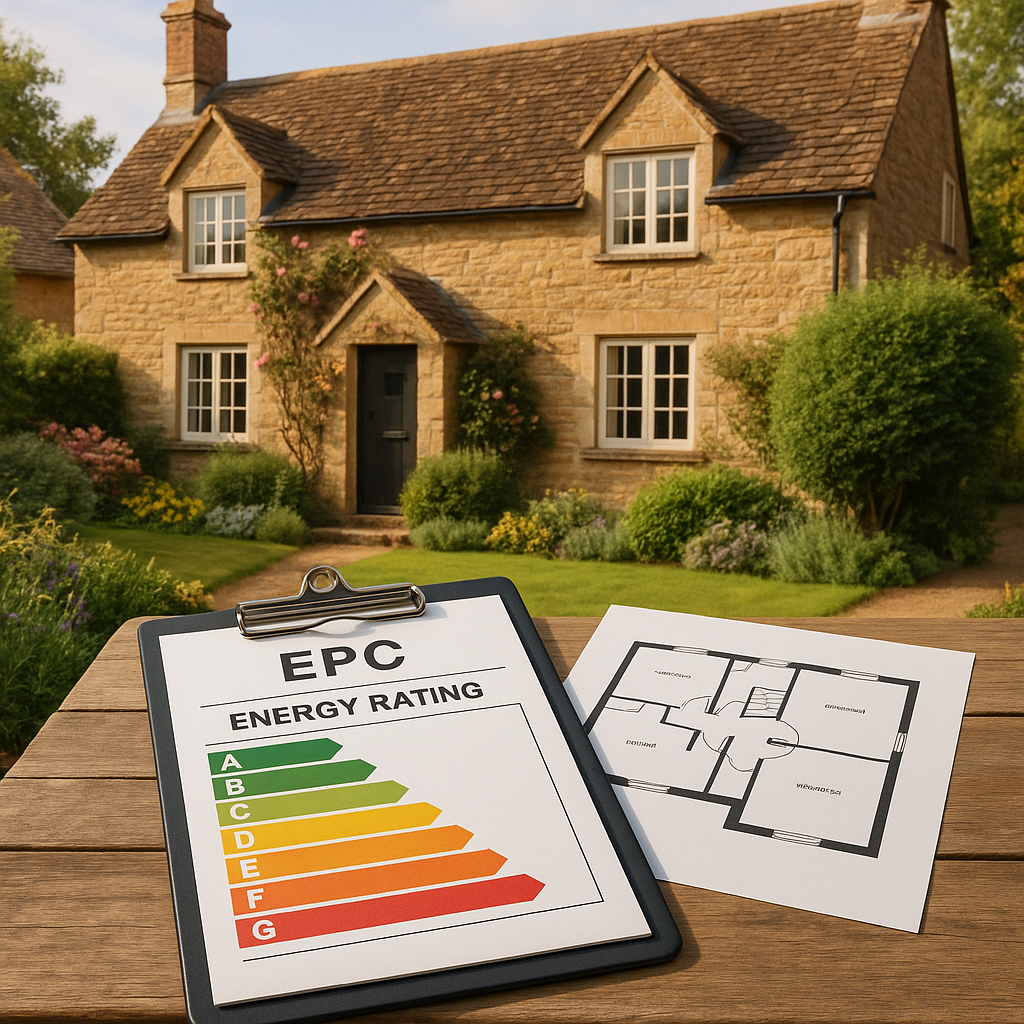
18 May EPCs and Energy Efficiency: Understanding Their Importance
In the ever-evolving landscape of property ownership and rental, understanding the intricacies of Energy Performance Certificates (EPCs) and their impact on energy efficiency is crucial. Many UK businesses, particularly those in Dorset, may overlook the importance of EPCs, which can lead to higher operational costs and potential regulatory challenges. This blog post will explore the relationship between EPCs and energy efficiency, highlighting the benefits of improving energy performance for your business.
What Are EPCs?
An Energy Performance Certificate (EPC) provides an assessment of a property’s energy efficiency. The certificate rates the property on a scale from A (most efficient) to G (least efficient), based on various factors such as insulation, heating systems, and energy consumption. EPCs are not only required for selling or renting properties but also play a significant role in compliance with government energy efficiency targets.
Key Components of an EPC
- Energy Efficiency Rating: This is the primary feature of an EPC, indicating how energy-efficient a property is.
- Environmental Impact Rating: This rating reflects the carbon dioxide emissions produced by the property.
- Recommendations: EPCs often include suggestions for improvements that can enhance energy efficiency, such as upgrading insulation or heating systems.
Why EPCs Matter for Your Business
Regulatory Compliance
For businesses operating in the UK, complying with energy efficiency regulations is not just good practice; it’s a legal requirement. Properties must have a minimum EPC rating of E to be rented or sold. Failing to meet this standard can result in penalties and hinder your ability to lease or sell your property.
Cost Savings
Improving your EPC rating can lead to significant cost savings. Energy-efficient buildings typically incur lower energy bills due to reduced consumption. For instance, investing in better insulation or energy-efficient heating systems can drastically lower your monthly expenses, translating into better profit margins for your business.
Enhanced Property Value
Properties with higher EPC ratings are often more attractive to potential buyers or tenants. An energy-efficient building can command a higher market value, making it a wise investment for property owners. By improving your EPC rating, you not only enhance your property’s desirability but also its long-term value.
Contributing to Sustainability
As environmental concerns take centre stage, businesses are increasingly held accountable for their carbon footprints. By improving energy efficiency, your business can contribute to sustainability efforts, appealing to environmentally conscious consumers and clients. This not only enhances your brand reputation but can also attract new customers who prioritise sustainability.
How to Improve Your EPC Rating
Improving your EPC rating involves a series of strategic steps. Here’s a practical checklist to guide you:
1. Conduct an Energy Audit
Before making any changes, perform an energy audit to identify areas for improvement. This assessment will provide insights into your current energy consumption patterns.
2. Insulation Upgrades
One of the most effective ways to enhance energy efficiency is by upgrading insulation. Ensure that walls, roofs, and floors are adequately insulated to prevent heat loss.
3. Invest in Energy-Efficient Appliances
Replacing old appliances with energy-efficient models can have a significant impact on your overall energy consumption. Look for appliances with high energy ratings to maximise savings.
4. Upgrade Heating Systems
Modern heating systems, such as condensing boilers or heat pumps, can greatly improve energy efficiency. Consider upgrading your existing heating system to a more efficient model.
5. Use Renewable Energy Sources
Incorporating renewable energy sources, such as solar panels, can help reduce reliance on traditional energy and improve your EPC rating. Not only do these systems lower energy costs, but they also contribute to your business’s sustainability goals.
6. Implement Energy Management Practices
Encourage energy-saving practices among employees, such as turning off lights and equipment when not in use. This cultural shift can lead to significant energy savings over time.
Common Mistakes to Avoid
When improving your EPC rating, it’s essential to avoid certain pitfalls. Here are some common mistakes:
- Neglecting Regular Assessments: Failing to regularly review your EPC can lead to missed opportunities for improvement.
- Ignoring Recommendations: The recommendations provided in your EPC are valuable insights; ignoring them can hinder your energy efficiency efforts.
- Overlooking Simple Fixes: Sometimes, simple changes, like sealing drafts or replacing light bulbs, can significantly impact your energy performance.
Final Thoughts
Understanding the importance of EPCs and energy efficiency is crucial for businesses in the UK. By improving your EPC rating, you can enhance regulatory compliance, reduce operational costs, increase property value, and contribute to environmental sustainability. If you’re looking for assistance with your EPC or want to explore strategies for enhancing your energy efficiency, consider consulting with professionals who specialise in this area. For more information on EPC services, visit our EPC page.
Taking proactive steps towards energy efficiency not only benefits your business financially but also positions you as a responsible and forward-thinking entity in today’s market.