
09 Jun Maximising Energy Efficiency: The Role of EPCs in Sustainable Business Practices
In today’s competitive market, small businesses and trades in the UK, particularly in areas like Dorset, face increasing pressure to demonstrate sustainability and energy efficiency. An Energy Performance Certificate (EPC) can be a pivotal asset in this effort. However, many business owners are unsure how to leverage EPCs effectively to not only comply with regulations but also enhance their brand reputation and operational efficiency.
Understanding Energy Performance Certificates (EPCs)
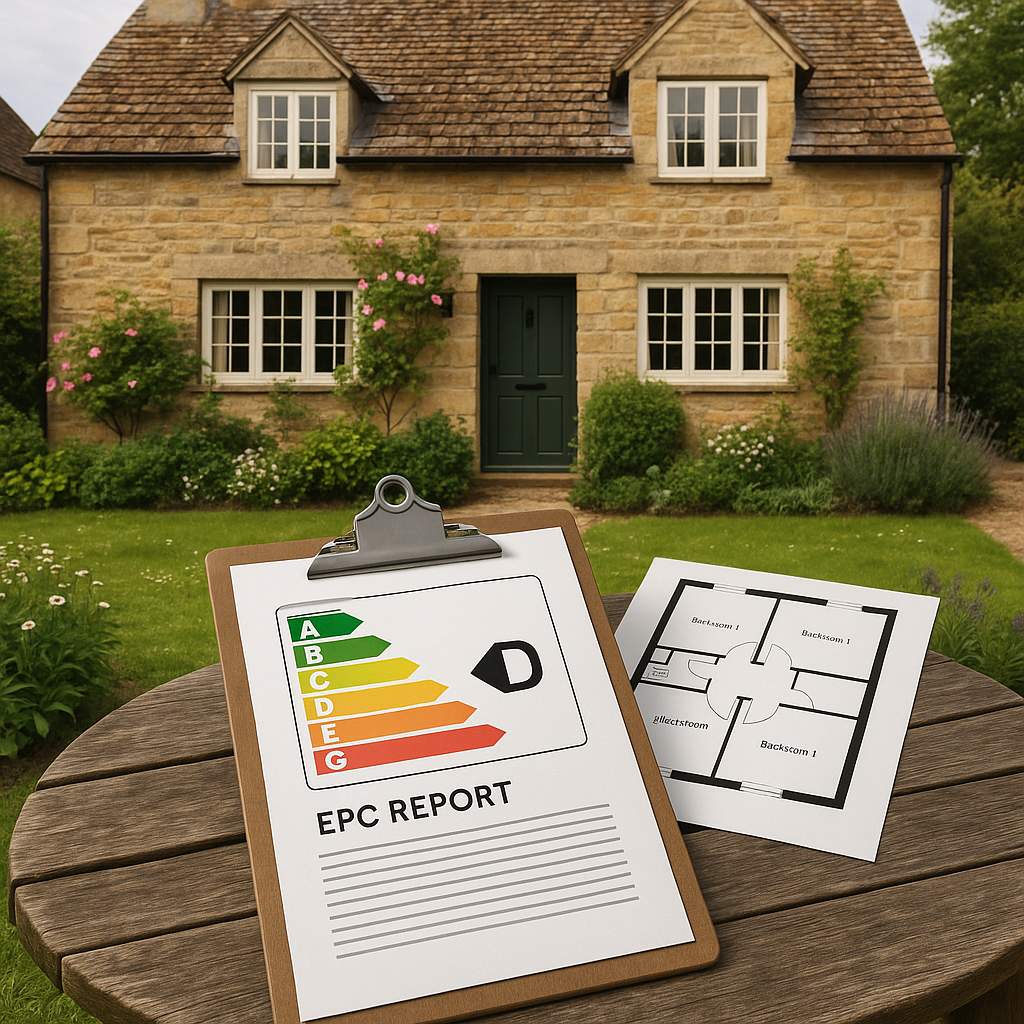
EPCs are essential documents that provide information about a property’s energy efficiency. Required for buildings when they are sold, rented, or built, an EPC rates a property’s energy performance on a scale from A (most efficient) to G (least efficient).
For businesses, this rating can influence not just regulatory compliance but also customer perception and operational costs. A higher EPC rating often correlates with lower energy bills, which is crucial for maintaining profitability.
Why EPCs Matter for Small Businesses
-
Legal Compliance: The UK government mandates that all commercial properties must have a valid EPC when marketed for sale or rent. Failing to obtain an EPC can lead to fines and legal complications.
-
Attracting Customers: Modern consumers are increasingly conscious of environmental impact. A good EPC rating can enhance your business’s appeal to eco-minded customers.
-
Operational Savings: Improved energy efficiency can lead to significant cost savings on utility bills, freeing up resources for other areas of your business.
-
Property Value: Properties with higher EPC ratings tend to attract better valuations, which is beneficial for businesses considering future expansions or sales.
How to Obtain an EPC for Your Business
Acquiring an EPC involves several clear steps:
-
Choose a Qualified Assessor: Ensure that the assessor is accredited and has experience with commercial properties. Look for local experts familiar with the specific requirements in Dorset.
-
Prepare Your Property: Gather information on all energy-related aspects of your property, including heating systems, insulation, and lighting. Ensuring your property is in good condition can improve your EPC rating.
-
Schedule an Assessment: The assessor will visit your property to evaluate its energy performance. Be prepared for them to examine various elements, including the building’s layout and energy systems.
-
Receive Your Certificate: After the assessment, you will receive your EPC, which will include a rating and recommendations for improvements.
-
Implement Improvements: Consider following the recommendations provided in the EPC to enhance your rating and reduce energy costs.
Common Mistakes to Avoid
When obtaining an EPC, businesses often make several critical mistakes:
-
Delaying the Process: Waiting until the last moment can lead to rushed assessments and potentially poor ratings. Plan ahead to ensure ample time for improvements.
-
Ignoring Recommendations: Many businesses receive EPCs with suggestions for energy efficiency improvements but fail to act on them. Implementing these can significantly enhance your rating and reduce costs.
-
Choosing Inexperienced Assessors: Opting for the cheapest option without checking qualifications can result in an inaccurate EPC. Always verify the assessor’s credentials and previous work.
Enhancing Your EPC Rating: Practical Steps
Improving your EPC rating can be beneficial not just for compliance but also for your bottom line. Here are practical steps you can take:
-
Upgrade Insulation: Ensure that your property is well-insulated. This includes loft insulation, wall insulation, and double glazing, which can help retain heat and lower energy costs.
-
Use Energy-Efficient Lighting: Switching to LED lighting can significantly reduce energy consumption. Additionally, consider installing motion sensors to ensure lights are only on when needed.
-
Install Renewable Energy Sources: If feasible, consider solar panels or wind turbines. These can improve your EPC rating and reduce reliance on non-renewable energy sources.
-
Regular Maintenance: Keep heating and cooling systems well-maintained. Regular checks can ensure they operate efficiently, which can positively affect your EPC rating.
What to Ask Your EPC Assessor
When engaging an EPC assessor, consider asking the following questions:
-
What is your accreditation? Verify that they are registered with a recognised body.
-
Can you provide references? Look for feedback from previous clients to assess their reliability and quality of service.
-
What recommendations can you provide for improvement? A knowledgeable assessor should be able to give you clear guidance on steps you can take to enhance your property’s energy efficiency.
Conclusion
For small businesses in Dorset and beyond, harnessing the power of Energy Performance Certificates can lead to improved energy efficiency, legal compliance, and customer appeal. By understanding the importance of EPCs and following the outlined steps, you can position your business for success in a sustainability-conscious marketplace.
If you haven’t obtained your EPC yet or need assistance in enhancing your property’s energy efficiency, consider reaching out to professionals who can guide you through the process. At Greenec, we provide comprehensive EPC services tailored to your needs, ensuring you not only meet regulatory requirements but also enhance your business’s overall sustainability.