
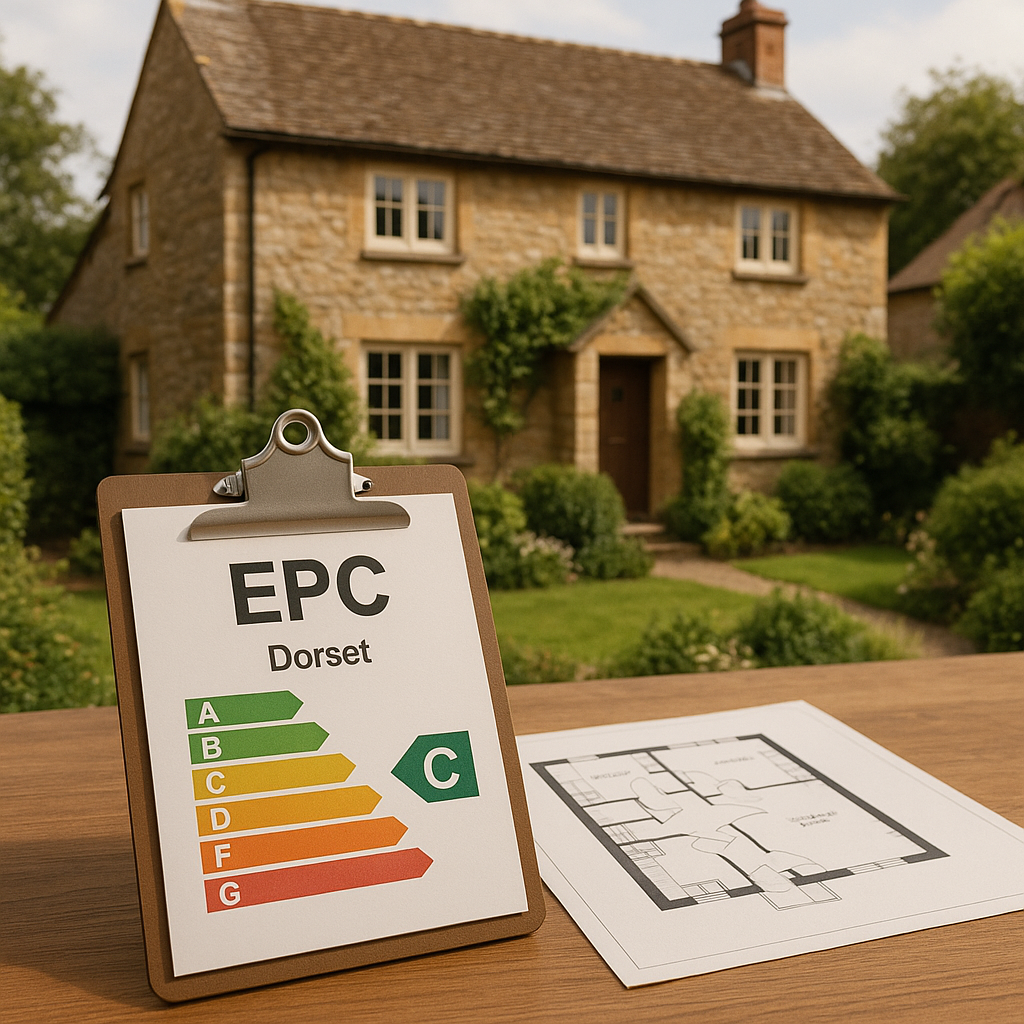
17 Jun Understanding the Impact of EPCs on Commercial Leasing: A Guide for Dorset SMEs
Navigating the commercial property landscape can be a daunting task for small businesses and SMEs, particularly when it comes to leasing premises. One crucial aspect that often gets overlooked is the Energy Performance Certificate (EPC). In June 2026, as energy efficiency regulations tighten, understanding EPCs becomes vital for businesses looking to lease commercial spaces in Dorset. This guide aims to elucidate the importance of EPCs in the leasing process, ensuring that your business remains compliant and competitive.
What is an EPC and Why is it Important for Businesses?
An Energy Performance Certificate (EPC) provides crucial information about the energy efficiency of a property. It rates the property on a scale from A (very efficient) to G (inefficient), highlighting areas where improvements can be made. For businesses, particularly SMEs in Dorset, an EPC is not just a legal requirement but also a strategic asset.
Key Benefits of EPCs for Leasing
- Legal Compliance: It is mandatory for landlords to provide a valid EPC before leasing a property. Non-compliance can lead to significant penalties.
- Cost Savings: A higher EPC rating can lead to lower energy bills, which is crucial for maintaining a healthy bottom line.
- Marketability: Properties with better EPC ratings are often more attractive to potential tenants, giving landlords a competitive edge.
- Long-term Sustainability: A focus on energy efficiency aligns with broader sustainability goals, appealing to a growing demographic of environmentally conscious consumers.
The EPC Rating System: What You Need to Know
Understanding how the EPC rating system works can aid in your decision-making process. Here’s a breakdown of the ratings:
| Rating | Energy Efficiency | Typical Features |
|---|---|---|
| A | 92-100 | Very efficient buildings with low energy costs |
| B | 81-91 | Energy-efficient buildings with moderate costs |
| C | 69-80 | Average efficiency with higher running costs |
| D | 55-68 | Below average efficiency; higher energy bills |
| E | 39-54 | Poor efficiency; may require upgrades |
| F | 21-38 | Very poor efficiency; often unlettable |
| G | 1-20 | Extremely poor efficiency; significant investment needed |
The Minimum Energy Efficiency Standard (MEES)
Since April 2018, the Minimum Energy Efficiency Standard (MEES) has made it illegal to lease a property with an EPC rating below E. This regulation underscores the importance of obtaining a valid EPC before engaging in any leasing negotiations.
How to Obtain an EPC for Your Commercial Property
Obtaining an EPC is a straightforward process, but it requires careful planning and execution. Here’s how you can secure one:
-
Find a Qualified Assessor: Look for a qualified energy assessor who is accredited to issue EPCs. Ensure they have experience with commercial properties.
-
Schedule an Inspection: The assessor will need to visit the property to evaluate its energy performance. Be prepared to provide access to all areas of the building.
-
Review the Recommendations: After the inspection, the assessor will provide a report detailing the EPC rating and suggestions for improvement.
-
Receive Your EPC: Once the assessment is complete, you will receive the EPC, which is valid for ten years.
For more detailed insights on what to expect during an EPC assessment, refer to our article on what to expect during an EPC assessment.
Common Mistakes to Avoid When Leasing a Commercial Property
When leasing a commercial property, SMEs in Dorset should be aware of several common pitfalls related to EPCs:
- Ignoring the EPC Requirement: Failing to secure a valid EPC can lead to penalties and hinder your ability to lease a property.
- Underestimating Upgrade Costs: If the property has a low EPC rating, the costs associated with necessary upgrades can be substantial. It’s essential to factor these into your budget.
- Neglecting to Negotiate: Use the EPC rating as a negotiation tool. If the property needs improvements, negotiate the lease terms to reflect this.
How to Choose the Right Commercial Property Based on EPC Ratings
When evaluating potential commercial properties, consider the following criteria:
- EPC Rating: Aim for properties rated C or above to ensure compliance with MEES and lower energy costs.
- Improvement Potential: Look for properties where energy efficiency upgrades can be easily implemented.
- Location and Market Demand: Properties in high-demand areas with good EPC ratings will attract more tenants, enhancing your investment’s value.
Next Steps: What Dorset SMEs Should Do
As you consider leasing a commercial property, follow these steps to ensure you’re making an informed decision:
-
Research EPC Ratings: Look up EPC ratings for properties of interest to understand their energy efficiency.
-
Engage a Professional: Consult with a local expert or agency that specialises in commercial property leasing and EPCs. They can provide insights specific to the Dorset market.
-
Plan for Upgrades: If you’re considering a property with a low EPC rating, develop a plan for improvements to enhance its efficiency and compliance.
-
Stay Informed: Keep up-to-date with changing regulations regarding energy efficiency and EPCs to ensure ongoing compliance.
For further assistance on enhancing your property’s EPC rating, check our guide on how to enhance your home’s EPC rating.
Conclusion
In a competitive leasing market, understanding the implications of EPCs can significantly impact your business’s success. By prioritising energy efficiency and complying with regulations, SMEs in Dorset can make informed leasing decisions that benefit both their bottom line and the environment.
Stay proactive and ensure your business is ready to thrive in today’s energy-conscious landscape.