
20 Jul Choosing the Right EPC Provider: Essential Considerations for Dorset SMEs
As a small business owner in Dorset, navigating the requirements for Energy Performance Certificates (EPCs) can be a daunting task. Whether you’re leasing a commercial space or looking to sell property, ensuring compliance with EPC regulations is crucial. Choosing the right EPC provider not only impacts your compliance status but can also influence the energy efficiency of your business, potentially saving you money in the long run. Here’s a comprehensive guide to help you choose the right EPC provider tailored specifically for your needs.
Understanding EPCs and Their Importance
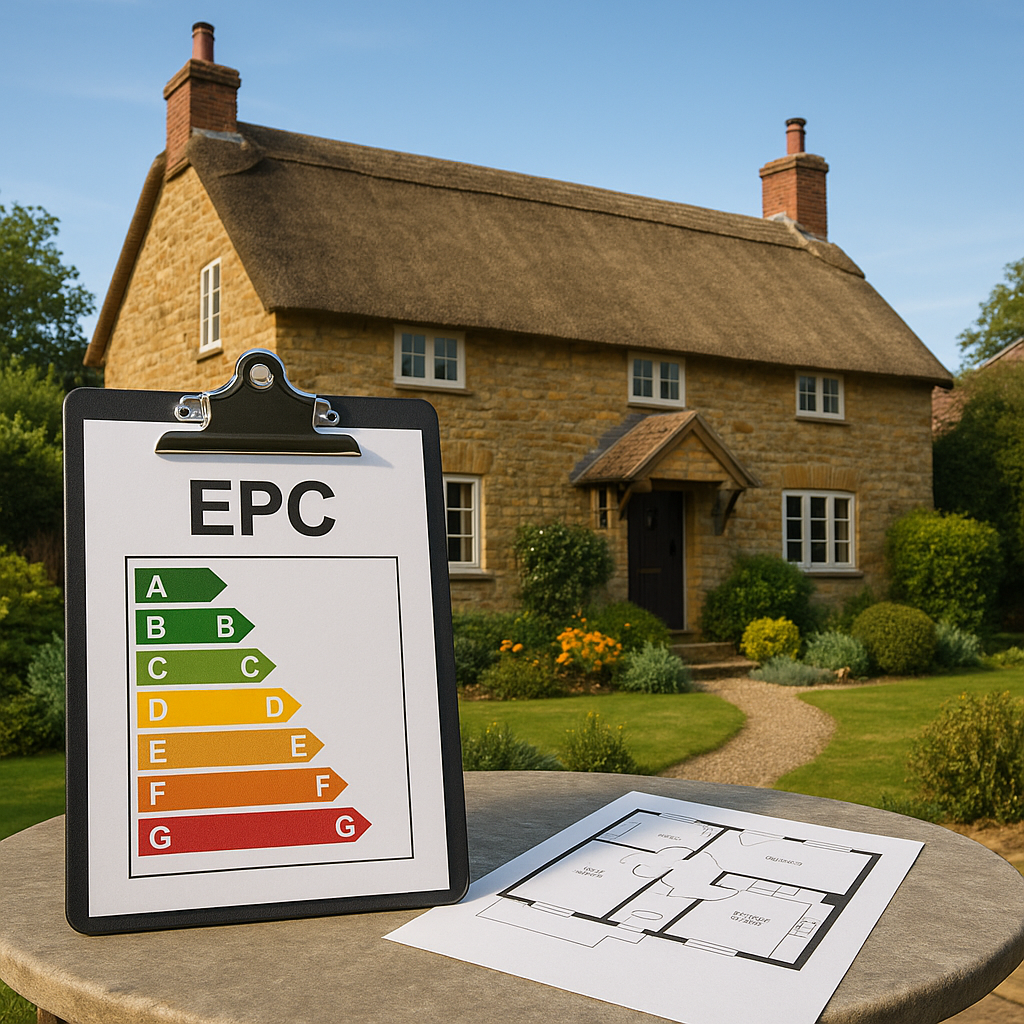
Energy Performance Certificates serve as an assessment of a building’s energy efficiency, rated from A (most efficient) to G (least efficient). This rating is essential for several reasons:
- Legal Compliance: EPCs are mandatory for properties being sold or leased in the UK.
- Attracting Tenants or Buyers: A high EPC rating can make your property more attractive to potential tenants or buyers.
- Energy Cost Savings: Understanding your property’s energy efficiency can lead to improved energy-saving measures.
Key Factors in Selecting an EPC Provider
When selecting an EPC provider, consider the following factors to ensure they meet your specific needs:
1. Qualifications and Certifications
Ensure that the EPC provider is fully qualified and accredited. Look for members of recognised bodies, such as:
- The Royal Institution of Chartered Surveyors (RICS)
- The National Association of Estate Agents (NAEA)
These certifications indicate that the provider adheres to industry standards.
2. Experience in Your Sector
A provider with experience in your specific industry will better understand the nuances of your business needs. For instance, if you’re a local service firm, an EPC provider with a focus on commercial properties in Dorset will offer insights that are more relevant to your operations.
3. Comprehensive Services Offered
Not all EPC providers offer the same range of services. Some may provide additional assessments, such as floor plans or recommendations for improving energy efficiency. Look for a provider that can offer a holistic approach, including floor plan services that complement your EPC needs.
How to Evaluate an EPC Provider
Checklist for Choosing an EPC Provider
- Check Credentials: Verify their accreditation and ensure they are authorised to issue EPCs.
- Request Samples: Ask for previous EPCs they have completed to assess the quality and detail.
- Read Reviews: Look for customer reviews or testimonials to gauge their reliability and customer service.
- Ask About Turnaround Times: Understand how quickly they can deliver your EPC, especially if you’re on a tight deadline.
Common Pitfalls to Avoid
When selecting an EPC provider, be wary of these common mistakes:
- Choosing the Cheapest Option: While cost is a factor, the cheapest provider may not offer the best service or accuracy.
- Neglecting Follow-Up Services: Ensure that the provider offers guidance on how to improve your EPC rating if needed.
- Ignoring Local Knowledge: A provider familiar with the Dorset area can offer tailored advice based on local regulations and market conditions.
Questions to Ask Potential EPC Providers
When interviewing potential EPC providers, consider asking the following questions:
- What is your accreditation status?
- How long have you been providing EPC services?
- Can you provide references or case studies from similar businesses?
- What is included in your EPC assessment, and will you provide recommendations for improvement?
- How do you handle discrepancies in energy assessments?
Next Steps After Receiving Your EPC
Once you’ve received your EPC, here are some actions to consider:
- Review the Recommendations: If your rating is low, consider implementing the suggested energy efficiency improvements.
- Keep Your EPC Updated: EPCs are valid for ten years, but if you make significant changes to your property, a new assessment may be necessary.
- Utilise the EPC in Marketing: If your rating is high, highlight it in your marketing materials to attract potential tenants or buyers.
Conclusion
Selecting the right EPC provider is a vital step for Dorset SMEs to ensure compliance and enhance energy efficiency. By focusing on qualifications, industry experience, and the comprehensive services offered, you can make an informed decision that aligns with your business needs. Don’t hesitate to reach out to local EPC providers to discuss your requirements and ensure your business is on the right track for sustainability and legal compliance.
By following these guidelines, you can ensure that your choice of an EPC provider contributes positively to your business’s operational efficiency and marketability.