
31 Aug Understanding the Impact of Energy Performance Certificates on Property Valuation for Dorset SMEs
In the competitive landscape of Dorset’s small businesses, understanding the nuances of property valuation is crucial. One significant factor influencing property value today is the Energy Performance Certificate (EPC). Many small and medium-sized enterprises (SMEs) are unaware of how their EPC rating can affect their premises’ market value, rental potential, and overall business success. This article delves into the relationship between EPCs and property valuation, helping Dorset SMEs understand the implications for their business.
What is an Energy Performance Certificate (EPC)?
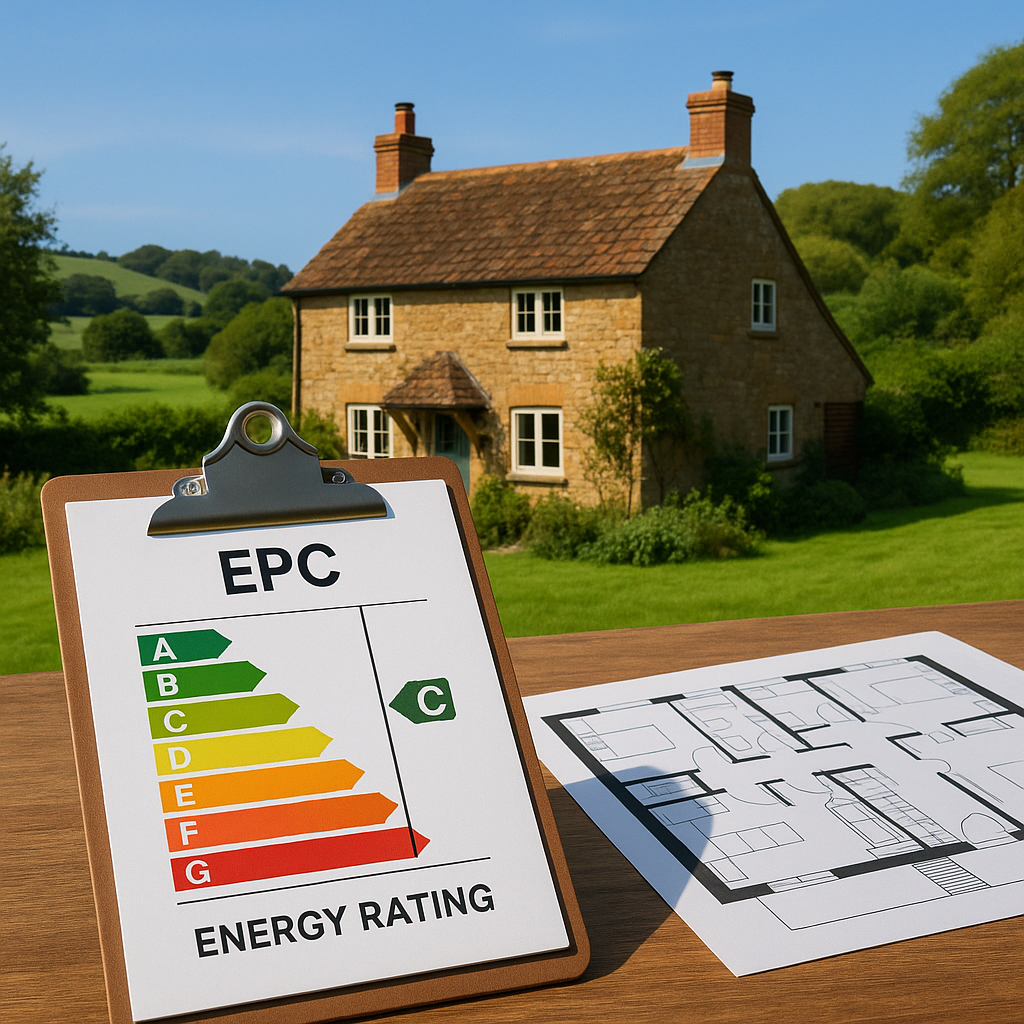
An Energy Performance Certificate provides a rating for the energy efficiency of a property, ranging from A (very efficient) to G (poor). The certificate assesses the property based on various factors, including insulation, heating systems, and overall energy consumption. For businesses, an EPC is not just a regulatory requirement; it is also a vital component in determining the value of their premises.
How EPC Ratings Affect Property Valuation
1. Market Perception
Properties with higher EPC ratings are generally perceived as more desirable. This perception can lead to:
- Higher Sale Prices: Buyers are often willing to pay a premium for energy-efficient properties, as they expect lower operating costs.
- Increased Demand: A better EPC rating can make a property more attractive, leading to higher foot traffic and potential lease negotiations.
2. Rental Value
EPC ratings can significantly influence rental prices. Landlords may charge higher rents for properties with better energy efficiency ratings due to the long-term savings tenants can expect on their energy bills.
3. Compliance and Future Regulations
With increasing regulatory pressure on energy efficiency, properties with lower EPC ratings may face restrictions, impacting their desirability. For instance, new regulations could prevent landlords from renting out properties with an EPC rating of F or G. This could result in:
- Decreased Property Value: Properties that fall below acceptable standards may see their market value drop.
- Increased Costs for Upgrades: Landlords may need to invest in improvements to meet compliance, which can affect overall profitability.
How to Improve Your EPC Rating
To enhance your property’s EPC rating and, consequently, its market value, consider the following strategies:
1. Upgrade Insulation
Proper insulation is crucial in reducing energy expenditure. Consider:
- Adding loft insulation
- Upgrading wall insulation
- Installing double-glazed windows
2. Improve Heating Systems
Investing in energy-efficient heating solutions can dramatically improve your EPC score. Options include:
- Installing a modern, efficient boiler
- Considering renewable energy options like solar panels
- Implementing smart heating controls
3. Conduct an Energy Audit
Engaging a professional to perform an energy audit can provide insights into specific improvements tailored to your property. This can help identify areas where energy savings can be achieved, leading to a better EPC rating.
Common Mistakes to Avoid
When addressing EPC ratings and property valuation, SMEs often make several common mistakes:
1. Ignoring EPC Requirements
Neglecting to assess or update EPC ratings can lead to compliance issues, especially for landlords. Ensure your property’s EPC is current and meets all legal requirements.
2. Underestimating the Impact of EPC Ratings
Some business owners fail to recognise the direct correlation between EPC ratings and property value. Understanding this can lead to proactive measures that positively impact your investment.
3. Overlooking Energy Efficiency in Upgrades
When renovating or upgrading, neglecting energy-efficient options can be a costly oversight. Always consider energy performance when making improvements to your property.
Checklist for Improving Your EPC Rating
To ensure you are on the right path to improving your EPC rating, follow this checklist:
- [ ] Conduct an energy audit
- [ ] Evaluate insulation levels and upgrade where necessary
- [ ] Assess the efficiency of heating systems
- [ ] Explore renewable energy options
- [ ] Stay informed about regulations affecting EPCs
Conclusion
For small businesses in Dorset, understanding the implications of Energy Performance Certificates on property valuation is essential. By recognising the importance of EPC ratings and taking steps to improve them, you can enhance your property’s marketability and value. This proactive approach not only supports compliance with regulations but also positions your business for long-term success.
For more information on how to assess your property’s EPC rating or to schedule an energy audit, feel free to contact us. Our team at GreeneC is dedicated to helping you navigate the complexities of energy performance and property valuation.