
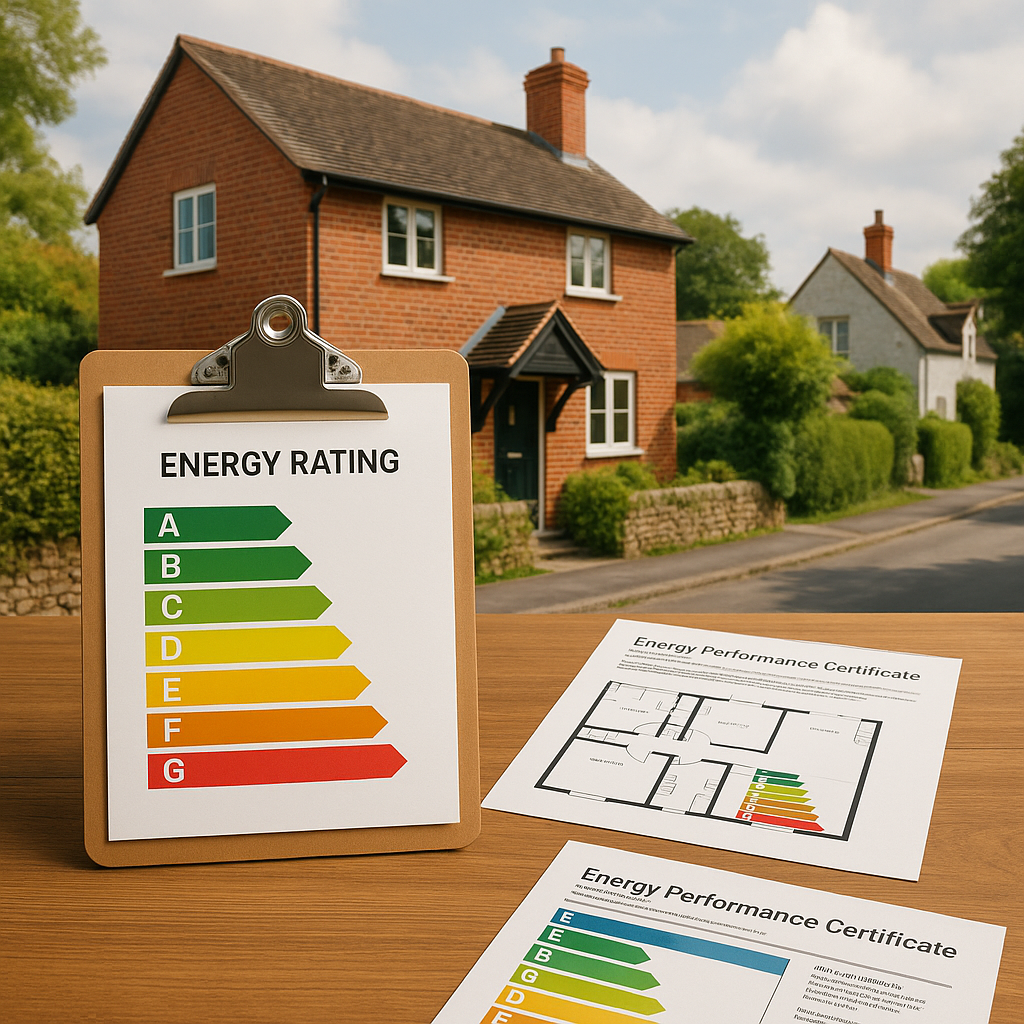
22 Sep Understanding the New EPC Regulations: What Dorset SMEs Need to Know
In today’s evolving business landscape, staying compliant with regulations is crucial for small and medium enterprises (SMEs) in Dorset. One significant area of concern is the Energy Performance Certificate (EPC) regulations, which have been updated recently. For many Dorset businesses, navigating these changes can feel overwhelming. Not only do they need to understand the new requirements, but they must also ensure their properties meet the necessary standards to avoid penalties and maintain their competitive edge. This post will help clarify the latest EPC regulations and provide practical steps for Dorset SMEs to remain compliant.
The Importance of EPC Regulations
EPCs are essential for assessing the energy efficiency of commercial properties. They give prospective tenants or buyers a clear understanding of how energy-efficient a property is, which can significantly influence their decision-making process. As of September 2026, the new regulations have introduced stricter requirements for energy performance, making it vital for Dorset businesses to ensure their properties meet these standards.
What’s New in EPC Regulations?
The recent changes to EPC regulations include:
- Increased Minimum Energy Efficiency Standards (MEES): Properties must now achieve a minimum EPC rating of at least ‘C’ to be leased or sold.
- Tougher Penalties for Non-Compliance: The fines for failing to comply with EPC regulations have increased, making it more crucial than ever for businesses to stay informed.
- More Frequent Assessments: Businesses may now be required to obtain EPCs more regularly, particularly if changes are made to the property.
These changes mean that Dorset SMEs must not only understand the implications of the regulations but also take proactive steps to comply with them.
Steps to Ensure Compliance with the New EPC Regulations
-
Assess Your Current EPC Rating
Start by checking the current EPC rating of your property. This document is typically available through your local council or search services. If your rating is below ‘C’, you will need to take action. -
Identify Areas for Improvement
Look for energy-saving opportunities within your property. Common areas to assess include:- Insulation (walls, roofs, floors)
- Heating systems
- Windows and doors
- Lighting solutions
-
Engage a Professional EPC Provider
If you’re unsure about how to improve your rating or need an updated assessment, consider hiring a professional EPC provider. Ensure you choose a provider with a strong reputation in Dorset, as local experts will be well-versed in the specific requirements and challenges faced by businesses in the area. For more information on choosing the right EPC provider, refer to our article on essential considerations for Dorset SMEs. -
Implement Energy Efficiency Measures
Once you’ve identified areas for improvement, implement energy efficiency measures. This could include:- Upgrading to energy-efficient lighting
- Installing better insulation
- Investing in renewable energy sources, such as solar panels
-
Reassess Your EPC Rating
After making improvements, schedule a reassessment of your property’s EPC rating. This will provide an updated certificate reflecting the enhancements made, which can be beneficial for attracting tenants or buyers.
Common Mistakes to Avoid
While navigating the new EPC regulations, it’s easy to make mistakes that could lead to non-compliance or unnecessary costs. Here are a few pitfalls to avoid:
- Ignoring the Deadline: Ensure you are aware of the deadlines for compliance. Properties that do not meet the new standards may be prohibited from leasing or selling.
- Underestimating the Impact of a Low EPC Rating: A low rating can significantly affect your property’s marketability. Address energy efficiency proactively rather than reactively.
- Choosing the Wrong EPC Provider: Engaging a provider without the right credentials can lead to inaccurate assessments. Always verify qualifications and track records.
Checklist for EPC Compliance
To help you stay on track, here’s a handy checklist for ensuring compliance with the new EPC regulations:
- [ ] Confirm your current EPC rating.
- [ ] Identify potential energy efficiency improvements.
- [ ] Select a reputable EPC provider in Dorset.
- [ ] Implement recommended energy-saving measures.
- [ ] Schedule a reassessment of your EPC rating.
- [ ] Keep records of all assessments and improvements made.
The Benefits of Being EPC Compliant
Ensuring your business is compliant with the latest EPC regulations offers numerous benefits:
- Enhanced Marketability: A higher EPC rating can make your property more attractive to potential tenants and buyers.
- Reduced Energy Costs: Implementing energy-efficient measures can lead to significant savings on utility bills.
- Avoiding Penalties: Staying compliant helps you avoid fines and legal issues associated with non-compliance.
Conclusion
Navigating the new EPC regulations can be challenging for Dorset SMEs, but with the right approach, compliance is achievable. By understanding the regulations, assessing your property, implementing necessary improvements, and working with qualified professionals, you can ensure your business remains compliant and competitive. For further guidance on EPCs and floor plans, explore our resources on Energy Performance Certificates and how they can benefit your business.