
01 Jun Frequently Asked Questions About EPCs
Energy Performance Certificates (EPCs) are a crucial aspect of property management, especially for landlords and property owners in the UK. With the rising emphasis on energy efficiency and sustainability, many individuals and businesses are seeking clarity on EPCs and their implications. This blog post aims to address some of the most common questions surrounding EPCs, offering practical insights that can guide you through the complexities of energy performance assessments.
What is an EPC?
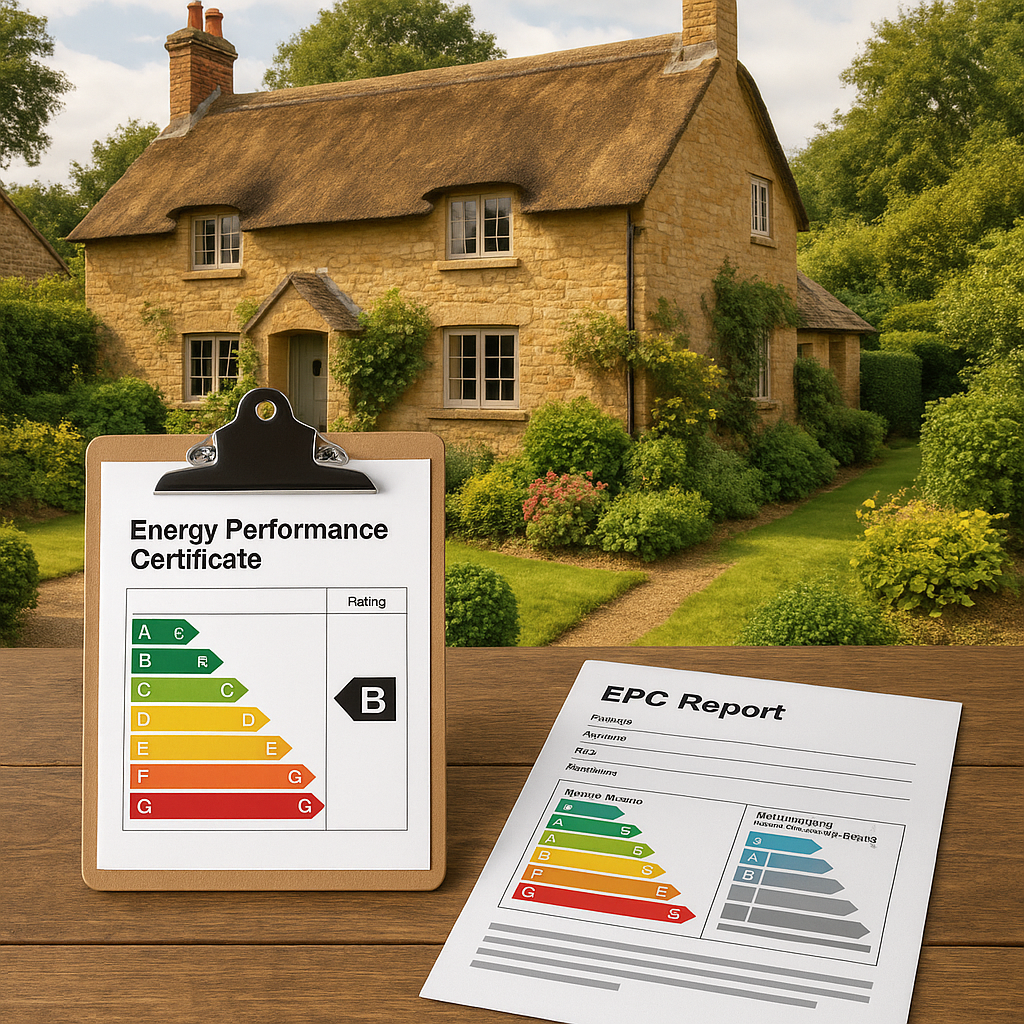
An Energy Performance Certificate (EPC) provides an energy efficiency rating for a property, ranging from A (most efficient) to G (least efficient). This certificate is a legal requirement for residential and commercial properties when they are built, sold, or rented. The certificate includes information about the property’s energy use and typical energy costs, as well as recommendations for improving energy efficiency.
Why Do I Need an EPC?
- Legal Requirement: If you are selling or renting out a property, you must have a valid EPC.
- Improved Energy Efficiency: An EPC can highlight areas where you can improve your property’s energy efficiency, potentially saving you money on energy bills.
- Market Competitiveness: Properties with higher EPC ratings are generally more appealing to tenants and buyers, as they indicate lower running costs.
How is an EPC Rated?
An EPC is assessed based on various factors, including:
- Insulation: The quality and amount of insulation in the walls, roof, and floors.
- Heating Systems: The efficiency of the heating system, including boilers and radiators.
- Windows: The type of glazing and how well windows are sealed.
- Energy Use: The overall energy consumption of the property.
How Long is an EPC Valid?
An EPC is valid for ten years. However, it’s advisable to keep your EPC updated, especially if you have made improvements to your property’s energy efficiency.
Who Can Issue an EPC?
Only accredited assessors can issue EPCs. It is crucial to choose a professional with the necessary qualifications to ensure that your EPC is valid and accurately reflects your property’s energy performance. For more information on EPC responsibilities, especially for landlords, check out our detailed guide on EPCs for Landlords.
How Much Does an EPC Cost?
The cost of an EPC can vary based on the size and type of property, as well as the location. Typically, you can expect to pay between £60 and £120 for an assessment. It’s advisable to compare quotes from different assessors to ensure you receive a fair price.
What Happens During an EPC Assessment?
During an EPC assessment, the assessor will visit your property and evaluate its energy performance. They will:
- Inspect the property’s insulation, heating, and cooling systems.
- Review the property’s lighting and appliances.
- Take measurements and gather information needed to calculate the energy efficiency rating.
Common Questions About EPCs
Can I Improve My EPC Rating?
Yes, there are various steps you can take to improve your EPC rating, including:
- Upgrading insulation in walls and roofs.
- Installing energy-efficient windows.
- Replacing old heating systems with modern, efficient alternatives.
- Adding renewable energy sources, like solar panels.
What Are the Consequences of Not Having an EPC?
Failing to provide an EPC when required can lead to penalties, including fines. For landlords, it is particularly important to have an EPC in place, as you may be unable to legally rent out your property without one.
How Do I Find an Accredited EPC Assessor?
You can find an accredited assessor through various professional bodies, such as the Energy Saving Trust or the Royal Institution of Chartered Surveyors (RICS). Ensure that the assessor you choose is registered and has experience with properties similar to yours.
Mistakes to Avoid When Getting an EPC
- Waiting Until the Last Minute: Ensure you obtain your EPC ahead of time, especially if you plan to sell or rent your property soon.
- Choosing the Cheapest Option: While price is important, focus on the assessor’s qualifications and reviews to ensure you receive a quality service.
- Ignoring Recommendations: An EPC will typically include suggestions for improving energy efficiency. Ignoring these can lead to a lower rating on your next assessment.
Conclusion
Understanding EPCs is essential for property owners and landlords in the UK. By addressing these common questions, we hope to provide clarity and encourage proactive management of your property’s energy efficiency. If you have further questions or need assistance with obtaining an EPC, feel free to contact us for professional advice tailored to your specific needs.
For a deeper dive into your responsibilities as a landlord regarding EPCs, visit our page on EPCs for Landlords.