
19 Aug How to Ensure Your Business Meets Energy Performance Certificate (EPC) Requirements
As a small business owner in Dorset, you may be aware of the increasing importance of Energy Performance Certificates (EPCs) in the commercial property landscape. With regulations tightening and energy efficiency becoming a key factor in property transactions, understanding how to meet EPC requirements is crucial for your business. Failing to comply can not only affect your ability to lease or sell properties but may also impact your operational costs and reputation. In this post, we’ll explore the steps you need to take to ensure your business meets EPC requirements effectively.
What is an Energy Performance Certificate (EPC)?
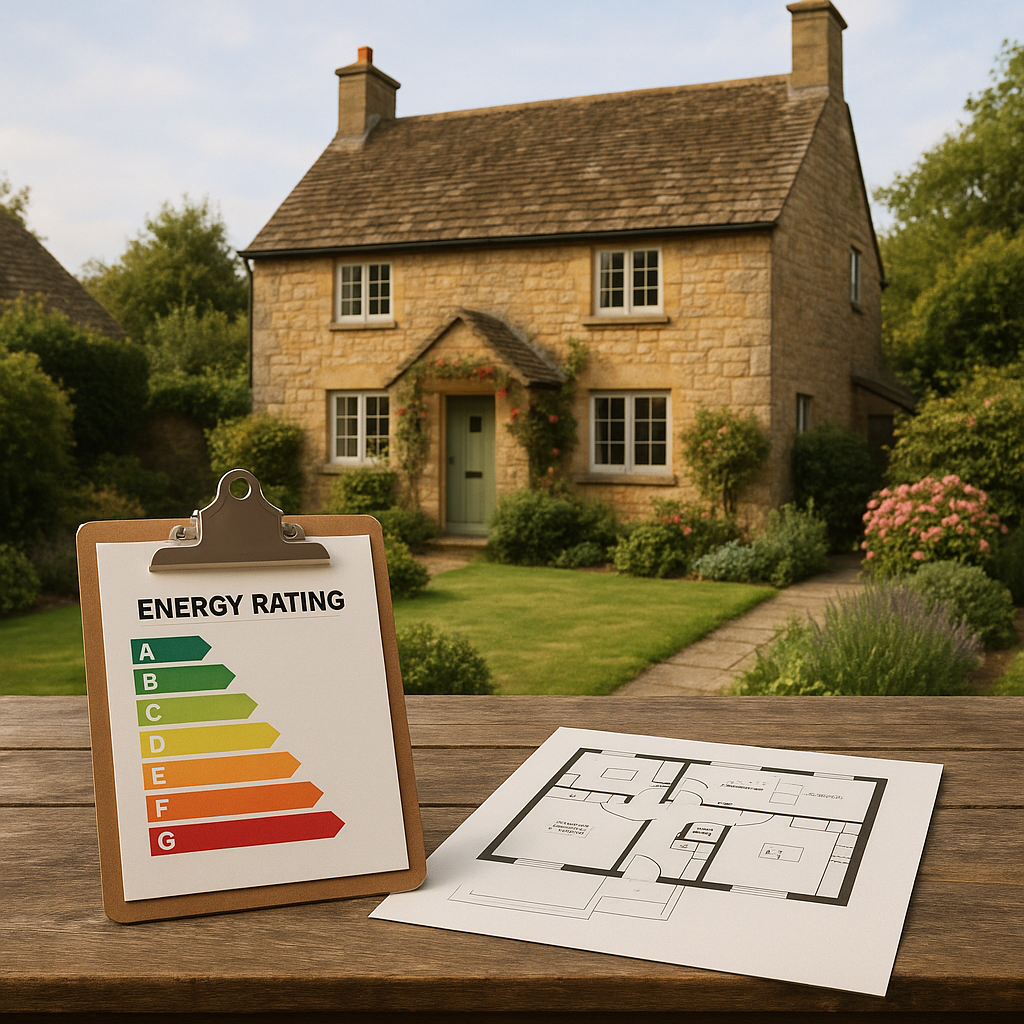
An Energy Performance Certificate (EPC) provides an energy efficiency rating for a property, ranging from A (very efficient) to G (very inefficient). The certificate is essential for property sales, rentals, and certain types of renovations. It serves to inform potential buyers or tenants about the energy performance of a building, helping them make informed choices.
The Importance of EPC Compliance for Small Businesses
Legal Requirements
For small businesses, especially those operating from commercial properties, having a valid EPC is not just advisable; it’s a legal requirement. Since April 2018, it has been illegal to lease a commercial property that has an EPC rating of ‘F’ or ‘G’. This regulation is set to tighten further, making it essential for business owners to take action now.
Financial Implications
In addition to potential legal penalties, a low EPC rating can impact your operating costs. Properties with higher energy efficiency ratings tend to have lower energy bills, which can significantly affect your bottom line.
Reputation Management
In today’s eco-conscious market, consumers and clients are increasingly aware of environmental issues. Having a good EPC rating can enhance your brand image and attract environmentally-aware customers.
Steps to Ensure Your Business Meets EPC Requirements
1. Understand Your Current EPC Rating
The first step is to check your current EPC rating. If your property has an EPC rating of E or above, you’re compliant with current regulations. If it falls below this threshold, you must take action to improve your rating. You can find your current EPC on the official government website or through your EPC provider.
2. Conduct an Energy Audit
To improve your EPC rating, it’s wise to conduct an energy audit. This will help identify areas where your property is underperforming. Consider hiring a professional to assess:
- Insulation quality
- Heating and cooling systems
- Lighting efficiency
- Windows and doors
A comprehensive audit will provide you with a clear picture of what improvements can be made.
3. Implement Energy Efficiency Measures
Based on the findings from your energy audit, start implementing energy-saving measures. Here are some practical steps you can take:
- Upgrade Insulation: Proper insulation can significantly reduce energy loss.
- Install Energy-Efficient Lighting: Switching to LED lighting can cut energy costs.
- Improve Heating and Cooling Systems: Consider modern, energy-efficient models that consume less energy.
- Use Smart Thermostats: These can help manage energy use more effectively.
Checklist: Key Improvements to Consider
- [ ] Upgrade insulation in walls and roofs
- [ ] Replace old heating and cooling systems
- [ ] Install energy-efficient windows
- [ ] Switch to LED lighting throughout the property
- [ ] Implement smart energy management systems
Choosing the Right EPC Provider
When it comes to obtaining or renewing your EPC, selecting the right provider is crucial. Here are some considerations:
- Experience and Qualifications: Ensure the provider is accredited and has a solid track record in your area.
- Local Knowledge: A provider familiar with Dorset’s regulations and market can offer tailored advice.
- Customer Reviews: Look for testimonials or case studies that demonstrate their effectiveness.
You can find more about how to select a suitable EPC provider in our guide on Choosing the Right EPC Provider.
Common Mistakes to Avoid
- Ignoring EPC Regulations: Dismissing the importance of EPCs can lead to costly penalties.
- Delaying Improvements: Waiting until the last moment to make changes can lead to rushed decisions.
- Underestimating Costs: Failing to budget for necessary upgrades can strain your finances.
What to Do Next
After assessing your current EPC rating and implementing improvements, you should:
- Obtain a new EPC to reflect the upgrades made.
- Ensure your EPC is displayed prominently when leasing or selling your property.
- Regularly review energy performance to stay ahead of regulations.
By proactively managing your energy performance and EPC compliance, you can enhance your business’s sustainability, reduce operational costs, and improve your property’s marketability.
In summary, taking the necessary steps to meet EPC requirements is a vital part of running a successful small business in Dorset. By understanding your current rating, implementing energy efficiency measures, and choosing the right EPC provider, you can position your business for long-term success.
For more insights on EPCs and their impact on your business, check out our posts on Understanding the Benefits of EPCs and Maximising Energy Efficiency.