
16 Mar The Cost of Obtaining an EPC: What You Should Know
In today’s competitive market, obtaining an Energy Performance Certificate (EPC) is essential for property owners and businesses alike. Whether you’re looking to sell, rent, or simply improve your property’s energy efficiency, understanding the costs associated with obtaining an EPC is crucial for budgeting purposes. This blog post will delve into the various factors that influence the cost of an EPC and provide practical advice to help you navigate the process effectively.
What is an EPC?
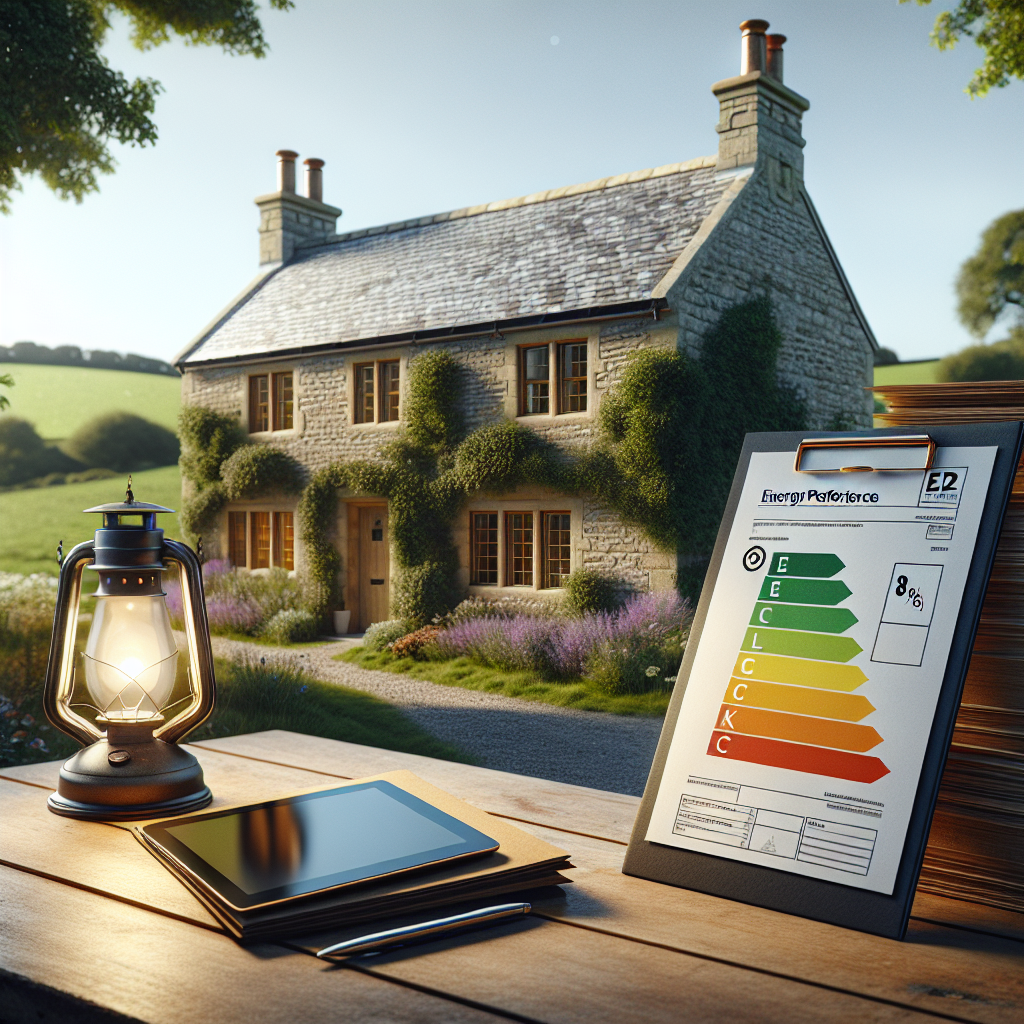
An Energy Performance Certificate is a document that provides information about the energy efficiency of a property. It rates the property on a scale from A (very efficient) to G (very inefficient) and includes recommendations for improving energy performance. An EPC is a legal requirement for properties being sold or rented in the UK and is valid for ten years.
Factors Influencing the Cost of an EPC
The cost of obtaining an EPC can vary based on several factors, including:
1. Type of Property
- Residential vs. Commercial: The cost of an EPC for a residential property is generally lower than for a commercial property due to the complexity involved in assessing commercial spaces. For example, commercial buildings often require more detailed assessments, which can increase costs.
- Size of the Property: Larger properties typically incur higher fees. An EPC for a small flat will be less expensive than for a sprawling office building.
2. Location
The cost of services can vary by region. Properties located in urban areas may face different pricing compared to those in rural locations. In Dorset, for instance, local demand and competition could influence the pricing structure.
3. Provider Experience and Qualifications
The qualifications and reputation of the energy assessor can also impact the cost. Experienced professionals may charge more for their services, but they often deliver higher quality assessments. It’s essential to consider the balance between cost and the value offered.
Typical Costs
While costs can vary, here are some general estimates you can expect:
- Residential EPC: Typically ranges from £60 to £120.
- Commercial EPC: Costs can start around £200 and can go up significantly depending on the building size and complexity.
It’s worth noting that these prices may fluctuate based on the factors mentioned earlier, so obtaining a few quotes can help you find a competitive rate.
How to Choose an EPC Provider
When selecting a provider for your EPC, consider the following:
1. Check Credentials
Ensure that the assessor is accredited by a recognised body, such as the National Energy Services Ltd (Nesl) or the Royal Institution of Chartered Surveyors (RICS). Accreditation guarantees that the assessor meets industry standards.
2. Read Reviews and Testimonials
Look for reviews from previous clients. Satisfied customers are a good indicator of reliable service. You can often find testimonials on the provider’s website or independent review sites.
3. Ask About Their Process
Inquire about the process they follow for conducting the EPC assessment. A thorough provider will explain the steps involved and what you can expect during the assessment.
Common Mistakes to Avoid
When obtaining an EPC, avoid these pitfalls to ensure a smooth experience:
1. Neglecting to Compare Quotes
Don’t settle for the first quote you receive. Comparing multiple providers can save you money and ensure you receive the best service.
2. Ignoring the Validity Period
Remember that EPCs are valid for ten years. If your property has undergone significant changes, such as renovations or changes in energy efficiency, it may be worth obtaining a new EPC sooner rather than later.
3. Overlooking Additional Services
Some providers offer additional services, such as energy audits or recommendations for improvements. Consider these options, as they can enhance your property’s efficiency and potentially save you money in the long run.
What to Expect During the EPC Assessment
Understanding what happens during the assessment can help you prepare:
1. Initial Consultation
The assessor will typically start with a brief consultation to understand your property and any specific concerns you may have.
2. On-Site Evaluation
The assessor will conduct an on-site evaluation, which includes checking insulation, heating systems, and windows. Be prepared to provide any relevant documentation, such as previous EPCs or energy bills.
3. Receiving Your Certificate
After the assessment, you will receive your EPC, which will include a rating and recommendations for improvement. Ensure you understand the findings and consider implementing suggested measures to enhance your property’s energy efficiency.
Conclusion
Understanding the cost of obtaining an EPC is crucial for property owners and businesses in the UK. By considering the factors that influence costs, comparing providers, and preparing adequately for the assessment, you can ensure a smooth and cost-effective process. If you’re looking for professional EPC services in Dorset, consider reaching out to a trusted provider to get started on your energy efficiency journey. For more information on related services, visit our commercial surveys page.
By being informed and prepared, you’ll not only comply with legal requirements but also contribute to a more sustainable future.