
30 Jul The Importance of Energy Performance Certificates (EPCs) for Dorset Small Businesses
As a small business owner in Dorset, you may be aware of the importance of maintaining a competitive edge in today’s market. However, you might overlook a crucial aspect that can significantly impact your operational costs and property value: Energy Performance Certificates (EPCs). With rising energy prices and increased scrutiny from both consumers and regulators on sustainability, understanding and utilising EPCs can be pivotal for your business’s success.
What Are Energy Performance Certificates (EPCs)?
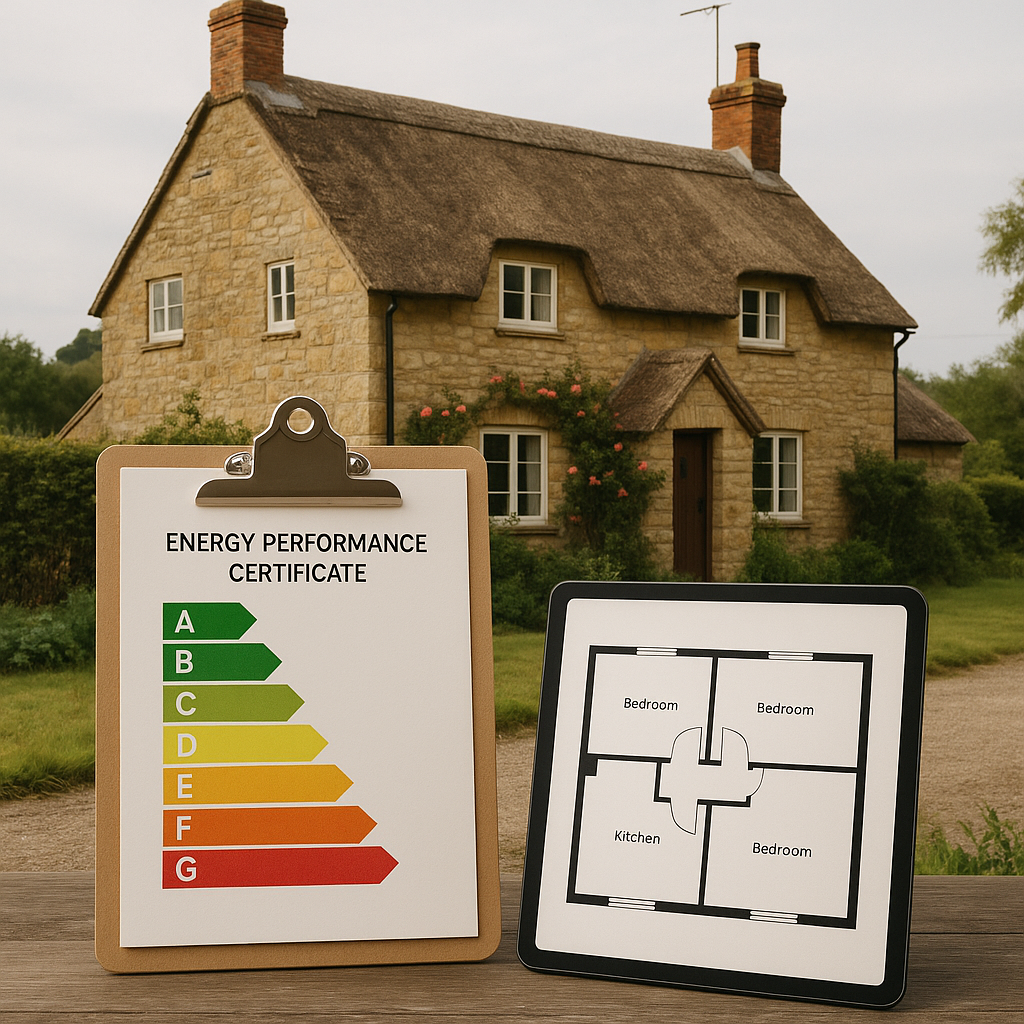
Energy Performance Certificates are documents that provide information about the energy efficiency of a building. They include an energy efficiency rating from A (very efficient) to G (inefficient) and offer recommendations for improving energy performance. An EPC is required whenever a property is built, sold, or rented, making it essential for Dorset SMEs who are engaged in any real estate transactions or leasing.
Why Are EPCs Important for Small Businesses?
-
Cost Savings: Businesses can reduce their energy bills by implementing recommendations from their EPC, such as upgrading insulation or replacing outdated heating systems.
-
Regulatory Compliance: Small businesses must comply with regulations regarding energy efficiency. Non-compliance can lead to fines and penalties.
-
Enhanced Property Value: Properties with better EPC ratings are often more attractive to buyers and tenants, potentially leading to higher sale prices and rental income.
-
Sustainability Goals: Many consumers prefer to support businesses that demonstrate commitment to sustainability, and having a good EPC rating can enhance your brand image.
Common Misconceptions About EPCs
Before diving deeper, let’s clear up some common myths surrounding EPCs:
-
Myth 1: EPCs are only for residential properties.
Reality: All types of properties, including commercial buildings, require an EPC. -
Myth 2: An EPC is only needed when selling a property.
Reality: EPCs are also necessary for rentals and must be renewed periodically. -
Myth 3: EPCs are not important for small businesses.
Reality: Small businesses can benefit significantly from improved energy efficiency and compliance with regulations.
How to Obtain an EPC for Your Small Business
Acquiring an EPC involves several steps:
-
Find a Qualified Assessor: Engage a registered energy assessor who can evaluate your property. Look for someone with experience in commercial properties if applicable.
-
Schedule an Assessment: The assessor will visit your premises to evaluate its energy efficiency. Ensure that all areas of the building are accessible.
-
Receive Your EPC: After the assessment, the assessor will provide you with your EPC, detailing the energy efficiency rating and recommendations.
-
Implement Recommendations: Use the advice provided to improve your property’s energy efficiency. This might include upgrading heating systems, improving insulation, or investing in renewable energy sources.
-
Keep Records: Maintain records of your EPC and any improvements made for future reference, especially if you plan to sell or lease the property.
Key Benefits of Regular EPC Assessments
Regularly updating your EPC can provide several advantages:
-
Stay Compliant: Regulations change frequently; keeping your EPC current ensures you remain compliant with the latest requirements.
-
Track Improvements: Regular assessments allow you to measure the effectiveness of energy-saving measures you’ve implemented.
-
Marketability: A recent EPC demonstrates to potential buyers or tenants that your property is energy efficient, enhancing its appeal.
Mistakes to Avoid When Considering EPCs
When dealing with EPCs, small businesses should be wary of the following pitfalls:
-
Ignoring EPC Recommendations: Many businesses receive their EPC and fail to act on the recommendations, potentially missing out on significant savings.
-
Neglecting to Renew: Remember that EPCs are valid for ten years. Failing to renew can lead to compliance issues.
-
Choosing the Wrong Assessor: Ensure you select a qualified assessor with a strong track record. Poor assessments can lead to inaccurate ratings.
Checklist for Improving Your EPC Rating
If you’re looking to enhance your EPC rating, consider the following checklist:
- [ ] Upgrade insulation in walls, roofs, and floors.
- [ ] Replace old heating systems with energy-efficient models.
- [ ] Install energy-efficient lighting.
- [ ] Invest in renewable energy sources, like solar panels.
- [ ] Consider smart meters to monitor and manage energy usage.
Next Steps for Dorset SMEs
If you’re ready to take action on your EPC, here are some immediate steps to consider:
- Contact a Professional: Reach out to a registered energy assessor to schedule an EPC assessment.
- Review Your Current EPC: If you already have an EPC, examine it for improvement areas.
- Budget for Upgrades: Allocate funds for necessary upgrades based on your EPC recommendations.
- Engage with Local Resources: Leverage local grants or initiatives aimed at improving energy efficiency in Dorset.
Conclusion
For small businesses in Dorset, understanding and utilising Energy Performance Certificates is not just a regulatory requirement, but a strategic advantage. By improving energy efficiency, complying with regulations, and enhancing property value, you can position your business for greater success. Don’t overlook the potential of your EPC; it is a vital tool in your operational arsenal.
For more information on how to obtain your EPC or to explore our services, consider visiting our website or contacting us directly.