
10 Aug Understanding the Benefits of Energy Performance Certificates (EPCs) for Dorset SMEs
In today’s competitive business landscape, small and medium-sized enterprises (SMEs) in Dorset face numerous challenges. One significant concern is ensuring compliance with energy efficiency regulations while also appealing to environmentally conscious customers. Energy Performance Certificates (EPCs) are a crucial element in this process, providing not only compliance but also an opportunity to enhance business value. This post will delve into the specific benefits of EPCs for Dorset SMEs, helping you understand their importance and how to leverage them effectively.
What is an Energy Performance Certificate (EPC)?
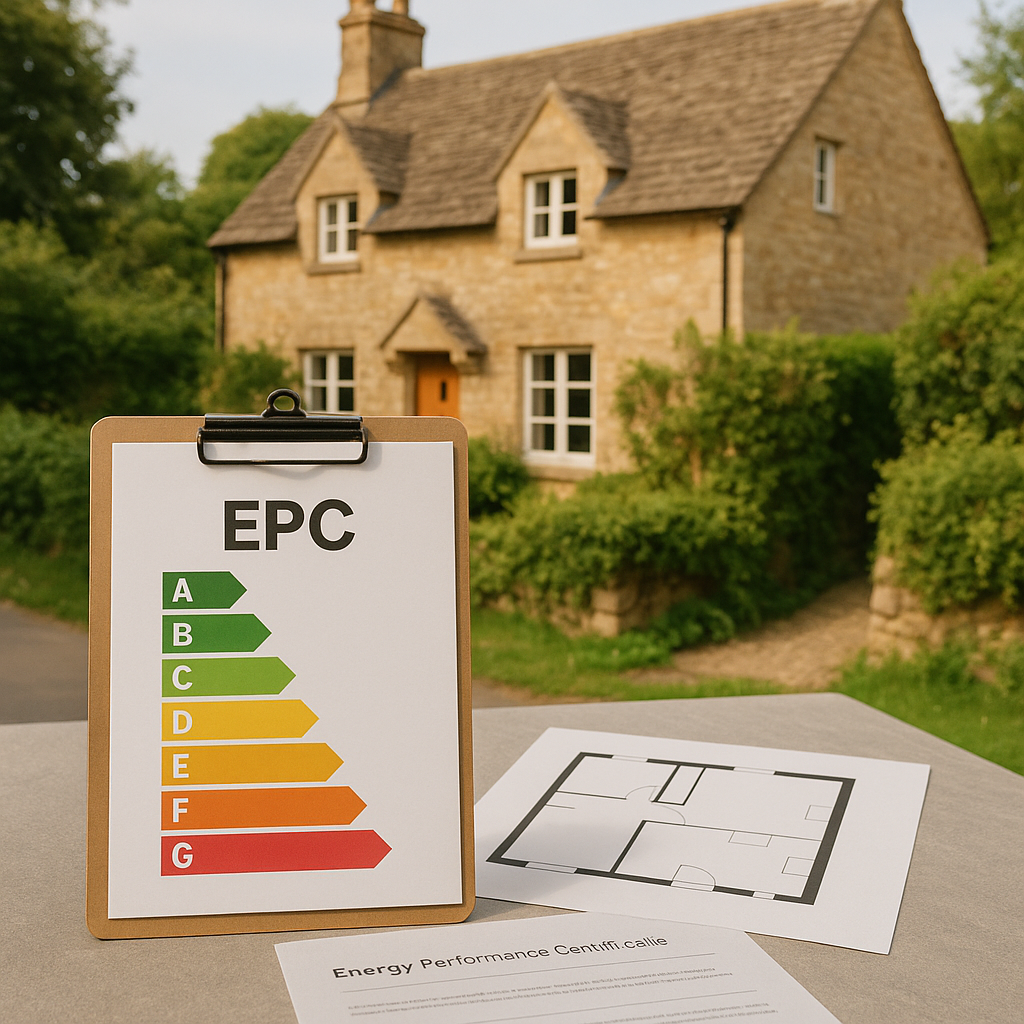
An Energy Performance Certificate (EPC) is a document that provides information about the energy efficiency of a property. It rates a building on a scale from A (very efficient) to G (very inefficient) based on its energy consumption and carbon emissions. For SMEs, having a valid EPC is not just about regulatory compliance; it can significantly impact operational costs and customer perceptions.
The Business Benefits of EPCs
Compliance with Regulations
Dorset SMEs must comply with various regulations regarding energy efficiency. Properties must have an EPC before they can be sold or rented. Non-compliance can lead to penalties, making it essential for businesses to obtain and maintain a current EPC.
Improved Energy Efficiency
Investing in energy efficiency measures can lead to significant cost savings. An EPC highlights areas where improvements can be made, such as insulation, heating systems, and lighting. By addressing these areas, businesses can reduce energy consumption and lower utility bills.
Enhanced Marketability
An EPC can enhance the marketability of a property. A higher EPC rating can attract tenants or buyers who are increasingly prioritising sustainability in their property choices. This is particularly relevant in Dorset, where local businesses are keen to project an eco-friendly image.
Increased Property Value
Properties with better energy efficiency ratings can command higher prices in the market. Investors are more likely to pay a premium for properties that are energy efficient, as they represent lower running costs and reduced environmental impact.
Attracting Environmentally Conscious Customers
As consumers become more aware of environmental issues, businesses that can demonstrate their commitment to sustainability are likely to attract more customers. Displaying a high EPC rating can set your business apart from competitors and foster customer loyalty.
How to Obtain an EPC for Your Business
Step 1: Find an Accredited Assessor
The first step in obtaining an EPC is to find an accredited energy assessor. Look for assessors with specific experience in commercial properties, as they will be familiar with the unique requirements that SMEs face.
Step 2: Schedule an Assessment
Once you have selected an assessor, schedule a time for them to visit your property. During this assessment, they will evaluate the building’s energy efficiency, examining aspects such as insulation, heating, and lighting systems.
Step 3: Review the Recommendations
After the assessment, the assessor will provide you with an EPC, which includes a rating and recommendations for improvement. Review these recommendations carefully, as they can guide your investment in energy efficiency.
Step 4: Implement Improvements
Consider implementing the recommended improvements to boost your EPC rating. This may include upgrading insulation, installing energy-efficient lighting, or investing in renewable energy sources.
Step 5: Reassess Regularly
EPCs are valid for ten years, but it is wise to reassess your property periodically, especially after making significant improvements. This not only ensures compliance but can also enhance your property’s marketability.
Common Mistakes to Avoid When Obtaining an EPC
Ignoring the Importance of the EPC Rating
Some SMEs overlook the significance of their EPC rating, thinking it is just a bureaucratic requirement. However, neglecting this aspect can lead to missed opportunities for cost savings and customer engagement.
Choosing an Inexperienced Assessor
Selecting an assessor without sufficient experience in your type of property can lead to inaccurate ratings and missed recommendations. Always check their credentials and previous work.
Failing to Act on Recommendations
Many businesses receive their EPC and do not act on the recommendations provided. This is a missed opportunity for improvement and can result in higher operational costs.
Letting the EPC Expire
EPCs are valid for ten years, but failing to renew them when they expire can lead to penalties and restrict your ability to sell or rent the property.
Checklist for SMEs When Obtaining an EPC
- [ ] Research and choose an accredited energy assessor with experience in commercial properties.
- [ ] Schedule a comprehensive assessment of your property.
- [ ] Review the EPC and recommendations thoroughly.
- [ ] Plan and budget for necessary improvements based on the assessor’s advice.
- [ ] Keep track of when your EPC expires and arrange for reassessment.
Conclusion
Understanding the benefits of Energy Performance Certificates is vital for SMEs in Dorset. Not only do EPCs ensure compliance with regulations, but they also offer a pathway to improved energy efficiency, enhanced marketability, and increased property value. By taking proactive steps to obtain and act on your EPC, your business can thrive in an increasingly competitive and environmentally aware market.
For further information on obtaining your EPC or to learn more about our EPC services, don’t hesitate to get in touch with us.