
09 Jul Understanding the Role of EPCs in the Property Sales Process for Dorset SMEs
As a small business owner in Dorset, navigating the property sales process can be daunting. Whether you are selling a commercial space or a residential property, understanding the requirements and implications of Energy Performance Certificates (EPCs) is crucial. EPCs not only influence buyer perceptions but also have a significant impact on the sale price and marketability of your property. This blog post will explore how EPCs play into the property sales process, what you need to consider, and how you can effectively manage this aspect of your business.
What is an EPC?
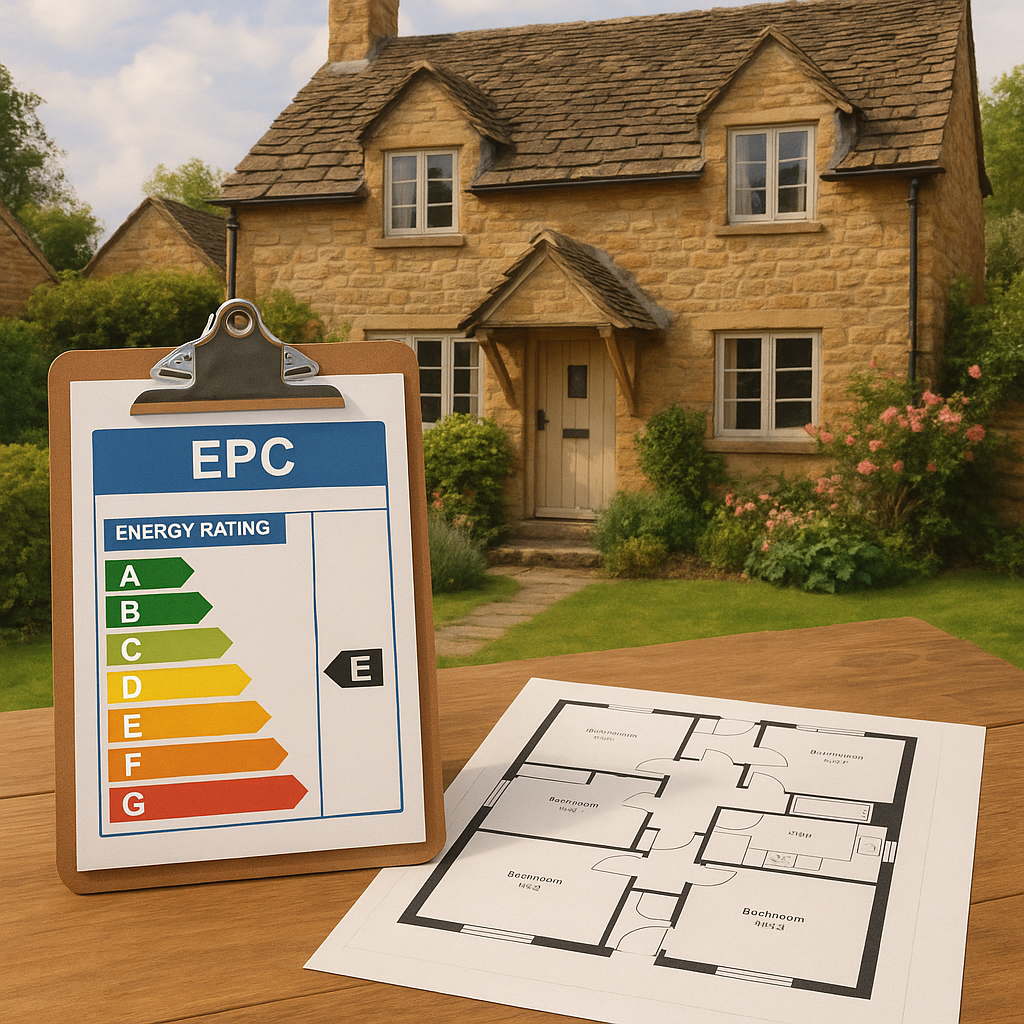
An Energy Performance Certificate (EPC) is a document that provides information about a property’s energy efficiency. It includes an energy rating from A (most efficient) to G (least efficient) and recommendations for improving energy performance. In the UK, it is a legal requirement to have an EPC when selling or renting a property.
Why EPCs Matter in Property Sales
EPCs are crucial for several reasons:
-
Legal Requirement: You must provide an EPC to potential buyers. Failure to do so can lead to penalties.
-
Buyer Awareness: Many buyers are increasingly aware of energy efficiency ratings. A higher EPC rating can make your property more attractive.
-
Financial Implications: Properties with better energy ratings often fetch higher prices and can result in lower energy bills for future occupants.
-
Market Competitiveness: In a competitive market, having a good EPC rating can set your property apart from similar listings.
How to Obtain an EPC
-
Find a Qualified Assessor: You must use an accredited energy assessor to conduct your EPC assessment. Look for a local professional experienced in your property type.
-
Schedule an Assessment: Contact the assessor to schedule a time for the evaluation. Ensure you provide them with all necessary access to the property.
-
Prepare Your Property: While the assessor will evaluate the energy performance based on various factors, you can help by ensuring that all relevant documents (like previous EPCs, building plans, and energy bills) are readily available.
-
Receive Your EPC: After the assessment, the assessor will generate your EPC, which you can then share with potential buyers.
Common Mistakes to Avoid
When dealing with EPCs during the sales process, it’s essential to avoid common pitfalls:
-
Delaying the EPC: Don’t wait until the last minute to obtain your EPC. This can delay your sale process.
-
Ignoring Recommendations: If your EPC includes recommendations for improvements, consider implementing them. This can enhance your property’s rating and its marketability.
-
Not Understanding the EPC Rating: Familiarise yourself with what the rating means and how it can affect potential buyers. Be prepared to discuss it during viewings.
Enhancing Your EPC Rating
If your property has a low EPC rating, consider the following improvements:
-
Upgrade Insulation: Improving insulation in walls, roofs, and floors can significantly boost your rating.
-
Install Energy-Efficient Appliances: Replace old appliances with energy-efficient models to enhance performance.
-
Consider Renewable Energy Sources: Solar panels or heat pumps can improve your EPC rating and appeal to eco-conscious buyers.
-
Regular Maintenance: Ensure that your heating and cooling systems are well-maintained for optimal efficiency.
What to Ask Your EPC Assessor
When hiring an assessor, consider asking:
-
What qualifications do you hold? Ensure they are accredited and have experience with properties similar to yours.
-
How long will the assessment take? Knowing the time frame can help with your planning.
-
What factors will you evaluate? Understanding what will be assessed can help you prepare your property better.
-
Can you provide a sample EPC? This can help you understand what to expect from the final document.
The Impact of EPCs on Negotiation
When it comes to negotiating the sale of your property, be aware of how the EPC rating can play a role. A higher EPC rating can justify a higher asking price, while a low rating may lead buyers to negotiate for a lower price or request that you make improvements before sale. Be prepared with data from your EPC to substantiate your asking price or to negotiate effectively.
Conclusion
EPCs are a vital aspect of the property sales process in Dorset. Understanding their importance, obtaining one in a timely fashion, and enhancing your property’s rating can significantly affect your sales success. By being proactive and informed, you can navigate this process effectively, ensuring a smooth sale that meets your business objectives.
For further insights into how EPCs affect your property or to schedule an EPC assessment, consider exploring our EPC services or read more about the importance of energy efficiency in your business strategy.